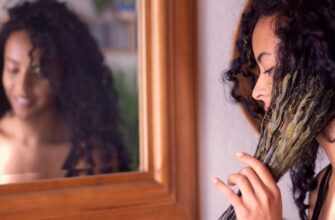
Hey there, curlfriend! 👋 So, you’re blessed with the swirls, the springs, and the twists—that glorious mane of curly hair. But let’s keep it real: While curls can give Rapunzel a run for her money, they also come with their own royal challenges. We’re talking frizz that could power an electric grid, tangles that make you wonder if a bird’s nest is forming back there, and dryness that even a cactus could sympathize with.
Personalized tips for: Curly Hair 101: How to Maintain and Style Curly Hair + The Curly Girl Method
Add a few details to get tailored advice alongside this article. It’s quick and free.
Why the fuss, you ask? Well, each curl on your head is essentially a twisty-turny path for natural oils, making it tough for those oils to travel down from your scalp to hydrate the rest of your hair. This makes proper care and grooming not just a beauty goal, but a survival tactic for your curls. 🌿
In this comprehensive guide, we’re going to unravel the secrets of:
- The Science Behind Curly Hair: Understand why your hair curls the way it does.
- Basic Maintenance: Tips and tricks to keep your curls bouncing.
- Advanced Care Techniques: Introducing the famed Curly Girl Method (It’s like a spa day but for your hair).
- Styling Like a Pro: Simple everyday looks and glam styles for special occasions.
- FAQs: Answers to your burning questions (Spoiler: We’re answering the “To diffuse or not to diffuse?” dilemma).
So grab your detangling spray and your sense of humor (you’ll need both), and let’s dive into this curly-haired journey. 🌀
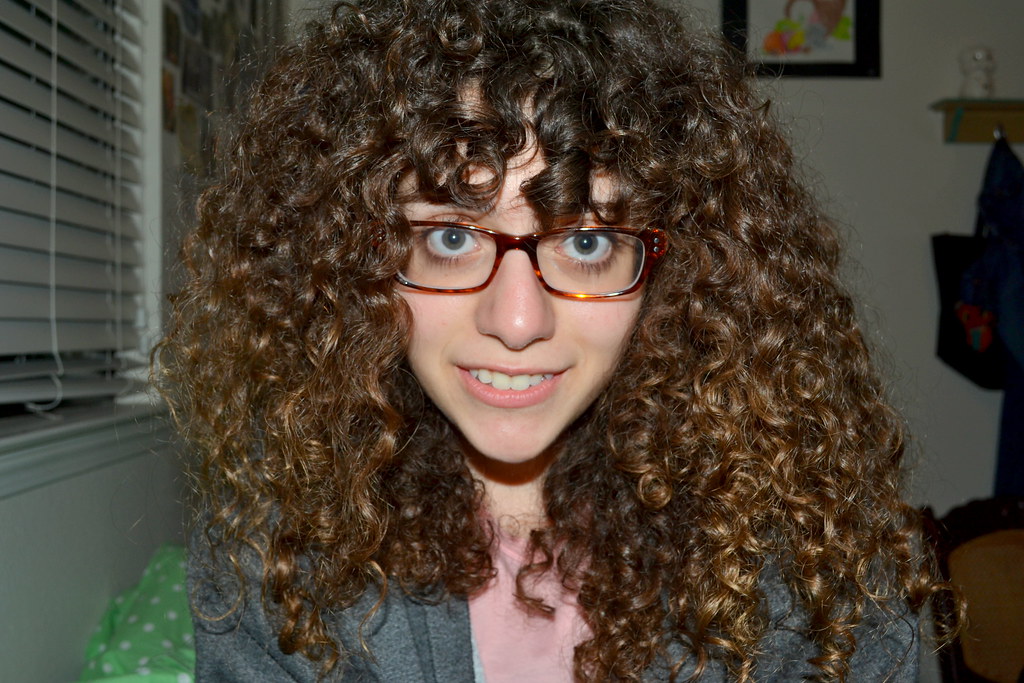
The Science of Curly Hair
Ah, the science of curly hair. It’s like alchemy but cooler because, at the end of the day, you’re the gem being refined! 🧪✨
What Makes Hair Curly?
Before you ask—no, it’s not because you made too many silly faces as a kid or because of that one time you pulled a really wild dance move. It’s actually all about the shape of your hair follicles. Straight hair usually comes from round follicles, while oval or asymmetrical follicles give rise to curly or wavy hair. It’s a shape game, really.
The magic continues at the molecular level. Your hair is primarily made of a protein called keratin. The way keratin proteins link together via sulfur bonds determines the curliness of your hair. More bonds between the proteins, especially on one side of the hair, will pull it into a tighter curl.
The Anatomy of Curly Hair
Let’s delve into the anatomy class you never knew you needed: Curly Hair 101. Like I mentioned earlier, the curliness begins at the follicle. But wait, there’s more!
- Cuticle: The outer layer, like armor for your curls. A rough or raised cuticle can lead to frizz and breakage.
- Cortex: The middle layer that contains melanin (the pigment) and keratin (the protein). This is the layer that holds the natural shape of your curls.
- Medulla: The innermost layer that isn’t always present in fine hair types. Its function is still a topic for some hot scientific debate, but we like to think it’s there to add some mystery.
Curly Hair Types
So you’ve got curly hair, but do you know your curl type? The hair world, darling, is a zoo of curl patterns, ranging from light waves to tight coils. Knowing your type can help you pick products and styling techniques that will make your curls say, “Thank you, next” to any frizz or dullness.
Here’s a quick rundown:
| Hair Type | Characteristics | Styling Tip |
|---|---|---|
| Type 2A | Light waves, easy to handle | A light hold gel or mousse |
| Type 2B | More pronounced waves, some tendency to frizz | Beachy wave spray |
| Type 3A | Loose curls, a mix of textures | Curl-defining cream |
| Type 3B | Tighter curls, may have different textures on the same head | Layer leave-in conditioner with a strong-hold gel |
| Type 4A | Soft, dense, springy coils | A rich curl custard |
| Type 4B | Z-shaped curls, very tight and can shrink a lot when dry | Heavy butters and creams |
| Type 4C | Extremely tight, can be fragile | Hair oils and heavy-duty leave-in conditioner |
Not all curls are created equal, but they all have their unique charm and specific needs. And hey, if you can’t figure out your curl type, you’re not alone. Curls are as unique as fingerprints; some of us just happen to have a couple of different “prints” on one head!
Basic Maintenance for Curly Hair
Welcome to Curly Hair Bootcamp! 🏋️♀️ Don’t worry; there are no burpees here—just bouncy, beautiful curls. Let’s get down to the nitty-gritty of curly hair maintenance.
Shampoo and Conditioning
Frequency of Shampooing
“Less is more” is your mantra when it comes to shampooing those luscious curls. Over-shampooing can leave your hair feeling like the Sahara Desert. Aim for once a week or even less if you can. Your natural oils will thank you!
Types of Shampoos
Ah yes, the grocery store aisle of a thousand shampoos—each bottle screaming, “Pick me! Pick me!” Well, hold on there, cowboy. Here’s how to make the selection simpler:
- Sulfate-Free: Less harsh, less drying. Your curls will say, “Ahh, spa day.”
- Clarifying: Use this once a month to get rid of product build-up. It’s like spring cleaning, but for your hair.
- Moisturizing: For the days when your hair feels thirstier than a wanderer in the desert.
Conditioning Techniques
Conditioner is to curly hair what water is to plants—a life-giving elixir. Focus on the ends, and don’t rush. Let it sit for a few minutes. Consider this your meditation time. Om.
Detangling
Tools and Techniques
Detangling can feel like navigating through a maze, blindfolded, while juggling. But hey, we’ve got tools for that!
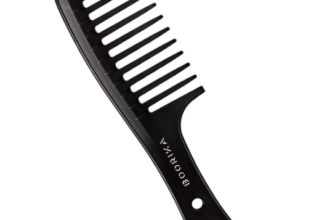
- Wide-Tooth Comb: Your bestie for shower detangling. Trust me.
- Tangle Teezer: For the brave souls who wish to detangle on dry land.
- Fingers: Sometimes, you’re your own best tool. Go slow and be gentle.
When to Detangle for Best Results
Timing is everything, darling. Detangling is usually best done when the hair is wet and slathered with conditioner. The slipperiness helps ease out knots like a pro figure skater on ice.
Deep Conditioning and Hair Masks
Why It’s Crucial for Curly Hair
Remember the quest for the Holy Grail? Well, deep conditioning is your Holy Grail in the world of curly hair care. It provides intense hydration and helps restore your hair’s natural moisture balance.
Recommended Products
- Shea Moisture Manuka Honey & Mafura Oil Intensive Hydration Mask: For when your hair is parched.
- DevaCurl Heaven In Hair: If your curls are in dire need of paradise.
- Olaplex No.3: When you need to go beyond the surface and repair those bonds.
How Often to Deep Condition
Think of it like your monthly Netflix binge session—necessary and incredibly satisfying. Aim for a deep condition every 2-4 weeks, depending on the thirst level of your curls.
Advanced Care Techniques
Congratulations, curl connoisseur! You’ve graduated from Basic Maintenance, and now it’s time to delve into the PhD-level stuff. Put on your lab coat; we’re getting science-y (or as science-y as we can get while discussing fabulous hair).
The Curly Girl Method
What it is and How it Works
The Curly Girl Method, affectionately known as CGM, is the magna cum laude of the curly world. Developed by hairstylist Lorraine Massey, it’s a specialized care regimen that banishes harsh sulfates, silicones, and drying alcohols from your haircare routine. In short, it’s like sending your curls to a five-star health retreat. 🌱
Steps Involved
- Cleanse: Ditch the sulfates and opt for a CG-approved cleanser or co-wash.
- Condition: Conditioner is your new best friend. Never skip this step.
- Detangle: With conditioner still in, use a wide-tooth comb to detangle.
- Rinse and Hydrate: Rinse out the conditioner, but leave a little in for extra hydration.
- Style: Use a gel or mousse to style. Scrunch those curls to encourage the pattern.
- Dry: Air-dry or use a diffuser, but avoid hot air like the plague.
- Refresh: On non-wash days, refresh your curls with a spritz of water and a little leave-in conditioner.
Success Stories and Testimonials
- Casey: “I went from frizz central to defined curls in just three weeks!”
- Alex: “CGM transformed my hair and my confidence. I’m never going back.”
Just a quick note: CGM isn’t a one-size-fits-all method. Tailoring it to your specific curl type and needs is key. Adapt and thrive, darling.
Oils and Serums
Ah, the liquid gold of hair care. Oils and serums provide that extra nourishment and sheen, sealing in moisture and preventing breakage.
Types
- Coconut Oil: The Jack-of-all-trades. Hydrating and accessible.
- Argan Oil: Rich in Vitamin E, it’s like a youth serum for your locks.
- Jojoba Oil: Mimics your natural scalp oils. Good for dry and flaky scalps.
- Castor Oil: Known for promoting hair growth. A little goes a long way.
How to Apply
- Start Small: Seriously, less is more.
- Focus on the Ends: They’re the oldest and driest part of your hair.
- Massage it in: Take your time and give your scalp some love.
- Time it Right: Apply oils either pre-shampoo or post-styling, depending on the oil and your hair’s needs.
Pro-tip: You can also mix a few drops of oil with your conditioner or mask for a double whammy of hydration.
And voilà! You’re not just maintaining those curls; you’re optimizing them. They should give out Nobel Prizes for this level of self-care. 🏆
Styling Curly Hair
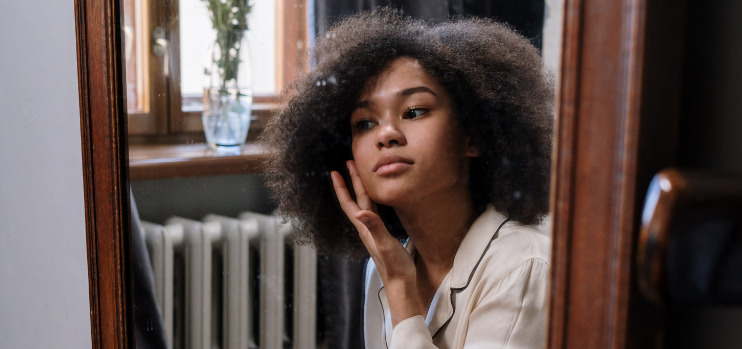
Roll out the red carpet and prepare the flash photography, because we’re stepping into the limelight of curly hair styling. Whether it’s an everyday look or you’re stepping out for a night on the town, we’ve got you covered. 📸✨
Everyday Styles
Curly hair comes with its own set of natural accessories: loops, spirals, and zigzags that make every day a bit more fabulous. Let’s explore some daily styling options that make the most out of these gifts.
Wash-and-Go
The bread and butter of the curly hair world. With the right products—like a defining gel or a leave-in conditioner—a wash-and-go can be a low-maintenance masterpiece.
- Apply product to wet hair.
- Scrunch or use a Denman brush to define curls.
- Air dry or diffuse.
- Fluff and go!
Diffusing
When you don’t have time to air dry, or you’re looking for some extra volume, diffusing is your BFF.
- Attach a diffuser to your hair dryer.
- Use low heat and speed settings.
- Work in sections.
- Finish with a blast of cool air for shine.
Ponytails and Updos
Quick, chic, and perfect for the third (or fourth) day curls.
- High ponytail for a classic, carefree look.
- Low bun for something more formal.
- Messy bun when you’re feeling casual chic.
Special Occasion Styles
As if your curls weren’t special enough already! Here are some options for those events that require an extra dash of glamour.
Twists and Braids
From French braids to flat twists, these styles not only look intricate but also protect your curls.
- Two-Strand Twists: Great for a relaxed yet elegant look.
- Crown Braid: Be the royalty you are with this updo.
Curls with Heat Tools
A curling wand or iron can elevate your natural curls to red carpet status. But proceed with caution and don’t forget the heat protectant.
- Select a barrel size close to your natural curl size.
- Work in small sections.
- Set curls with a light-hold spray.
Extensions and Weaves
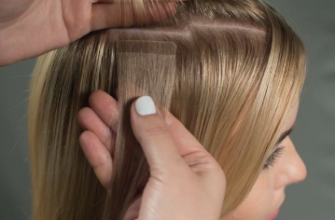
Whether you’re looking to add length, volume, or both, extensions and weaves offer a semi-permanent way to shake things up.
- Clip-Ins: Quick and easy for a dramatic change.
- Sew-Ins: Longer-lasting but requires more maintenance.
Heads Up: Always go to a professional for sew-in extensions, especially if you’re a first-timer. Your scalp will thank you.
FAQs (Questions and Answers)
You’ve got questions; we’ve got answers. Consider this the MythBusters episode for all things curly hair. Drumroll, please! 🥁
How often should I trim my curly hair?
Answer: The “chop chop” isn’t something to be afraid of, darling. A trim every 6-8 weeks can keep your curls looking their bouncy best and prevent those pesky split ends. If you’re growing your hair out, you can stretch this to every 12 weeks. But remember, healthy hair is better than long, damaged hair.
Is it necessary to use a diffuser for curly hair?
Answer: “Necessary” is a strong word, but let’s just say a diffuser is the VIP guest at the curly hair party. It helps distribute air evenly, defining your curls and reducing frizz. So, is it essential? No. Is it highly recommended? Oh, you betcha.
Can I straighten my curly hair without damaging it?
Answer: Straightening curly hair is like walking a tightrope; there’s a bit of risk involved. However, with the right heat protectant and a high-quality flat iron, you can minimize damage. Limit this styling choice for special occasions to keep your natural curls in peak condition.
What is plopping and how does it benefit curly hair?
Answer: Plopping isn’t as peculiar as it sounds. It’s a technique where you wrap your wet hair in a microfiber towel or a cotton t-shirt to reduce frizz and enhance curl definition. Think of it as swaddling your hair; it keeps the curls secure and well-defined while they dry. Baby your curls; they deserve it!
How do I deal with frizz?
Answer: Ah, frizz—the uninvited guest that crashes the curly hair party. To keep frizz at bay, hydration is key. Use leave-in conditioners, serums, and hair oils that lock in moisture. Also, avoid using a terrycloth towel to dry your hair; opt for a microfiber towel or an old t-shirt instead.
You’re now armed with the knowledge to tackle any curly situation that comes your way. Any more questions? Drop ’em in the comments. Or better yet, flip your hair and go show the world how fabulous you are! 🌀🌟