Ah, the joys of DIY hair bleaching! You were aiming for a sultry blonde, perhaps a platinum goddess, but ended up with a patchwork quilt on your head. We get it; uneven bleached hair is like the bad Tinder date of hair coloring—totally not what you signed up for.
Personalized tips for: Step-by-Step Guide to Fixing Uneven Bleached Hair at Home
Add a few details to get tailored advice alongside this article. It’s quick and free.
Uneven bleached hair can manifest in many ways: splotchy patches, zebra-like stripes, or that fabulous (and by fabulous, we mean dreadful) orange hue that just screams fashion faux pas. It happens for a myriad of reasons—rushed application, old product, or the enigma that is your hair’s natural porosity.
And let’s talk about why fixing this mishap is essential. Apart from the apparent hit on your selfie game, uneven bleaching can also be damaging to your hair’s health. When some strands are more bleached than others, it messes up the protein balance, making your tresses more susceptible to breakage. It’s not just about looking good; it’s about keeping those locks lush and healthy.
Stay tuned, hair warriors. We’re diving deep into the world of at-home hair corrections, and you’re going to want a front-row seat. 🌟

Why Uneven Bleaching Happens
Grab your notepads, darling! Before we play hair scientist with bleach and toners, let’s get to the root of the problem (pun intended). Understanding the why’s and how’s will help you avoid an encore of this hair tragedy.
Inconsistent Application
Think of bleach like paint—you wouldn’t slap it haphazardly on a canvas and expect a masterpiece, right? When it comes to your hair, inconsistent application is the leading diva of hair disasters.
- Too Fast, Too Furious: Rushing through the application process.
- Uneven Strokes: Not spreading the bleach evenly from root to tip.
- Playing Favorites: Over-saturating some sections while neglecting others.
Pro Tip: Use a tint brush and divide your hair into manageable sections. Your hair deserves VIP treatment, so give each strand the time it needs.
Hair Porosity
The term may sound like it belongs in a science lab, but it’s absolutely crucial in the hair bleaching arena. Hair porosity refers to how well your hair can absorb and hold moisture. Variability in porosity across your scalp can make some strands soak up the bleach like it’s happy hour, while others stay as dry as a martini.
- Low Porosity: Less porous sections may not lighten as quickly.
- High Porosity: Overly porous hair may bleach too fast, becoming overly light or damaged.
Old Hair Color
Out with the old, in with the new, they say—but old color doesn’t always go without a fight. Residual pigments from previous dyes can be stubborn, providing uneven resistance to the bleach. It’s like trying to paint a wall that has some sections covered in stubborn old wallpaper.
Pro Tip: A color remover or clarifying shampoo may be your best friend in these situations, but use them cautiously. Read all the labels and follow the guidelines like it’s a treasure map.
Product Quality
Let’s spill the tea—you get what you pay for. Bargain hunting is fabulous for many things, but skimping on quality for bleach and developer is playing Russian roulette with your hair.
| Quality | Result |
|---|---|
| High-Quality Product | More even application, less damage |
| Low-Quality Product | Patchy results, increased hair damage |
Pro Tip: Look for bleach and developer from reputable brands, ideally those which are cruelty-free and without harmful chemicals. It might cost a bit more, but your hair will thank you in salon-quality choruses.
DIY Fixes for Uneven Bleaching
Alright, glam squad, it’s time to roll up those sleeves and dive into the wonderful world of DIY fixes. You know what they say: if you want something done right, sometimes you’ve got to do it yourself. With a dash of caution and a sprinkle of finesse, we’re about to turn that uneven bleached haystack into spun gold—or platinum, or ash, or whatever shade of fabulous you desire!
Toner Application
Ladies and Gents, meet the MVP of hair color correction: The Toner. If bleach is the opening act, toner is the headliner that steals the show. Toners can neutralize those unwanted brassy or yellow undertones and unify the color for that salon-fresh look. Here’s how:
- Choose the Right Toner: The color wheel isn’t just for artists; it’s your guide. Opposite colors neutralize each other. Got yellow? A violet-based toner is your friend.
- Application: Apply toner on clean, towel-dried hair. Use a tint brush for precision.
- Timing: Leave the toner in as per the product’s instructions. Don’t exceed the time limit; you’re toning, not time-traveling.
- Rinse and Condition: Rinse thoroughly and finish with a moisturizing conditioner.
Pro Tip: Always do a strand test first. Your hair is your canvas, but it’s not forgiving like paper.
Color-Correcting Shampoos and Conditioners
These aren’t your regular wash-and-go products; they’re the Avengers of the haircare universe, each with a special power to combat color unevenness.
- Purple Shampoo: For blondes or greys to remove yellow tones.
- Blue Shampoo: For brunettes who’ve gone brassy.
Pro Tip: Less is more. Overusing color-correcting products can overtone your hair and give you a Smurf moment.
Balayage Technique
Balayage is French for “to sweep,” and that’s exactly what you’re doing—sweeping color through your hair with a freehand technique. This can beautifully blend the uneven sections with the rest of your hair.
- Section and Secure: Divide your hair into manageable sections and secure them with clips.
- Mix and Match: Prepare your lightening mixture and get your brush ready.
- Freehand Magic: Unclip a section and sweep the bleach from mid-length to ends, gradually lightening the pressure as you move up.
Pro Tip: This is an art, darling, not a race. Take your time and follow your intuition and hair structure.
Additional Bleaching
If all else fails, or if you’re just that close to perfection, you might need to bleach some sections again. But this is your hair’s encore, not a repeat performance. Be meticulous!
- Strand Test: Always, always, always.
- Time It Right: Wait at least a week before you go in for Round 2. Your hair needs recovery time too, you know.
- Protect: Use a protein treatment before and after, to keep your hair from calling out an SOS.
Pro Tip: Less is more. Target only the under-processed sections and make sure you’re using a quality bleach and developer.
Professional Solutions
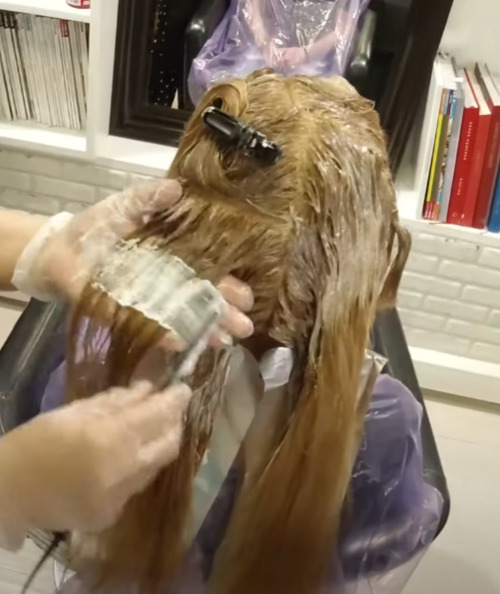
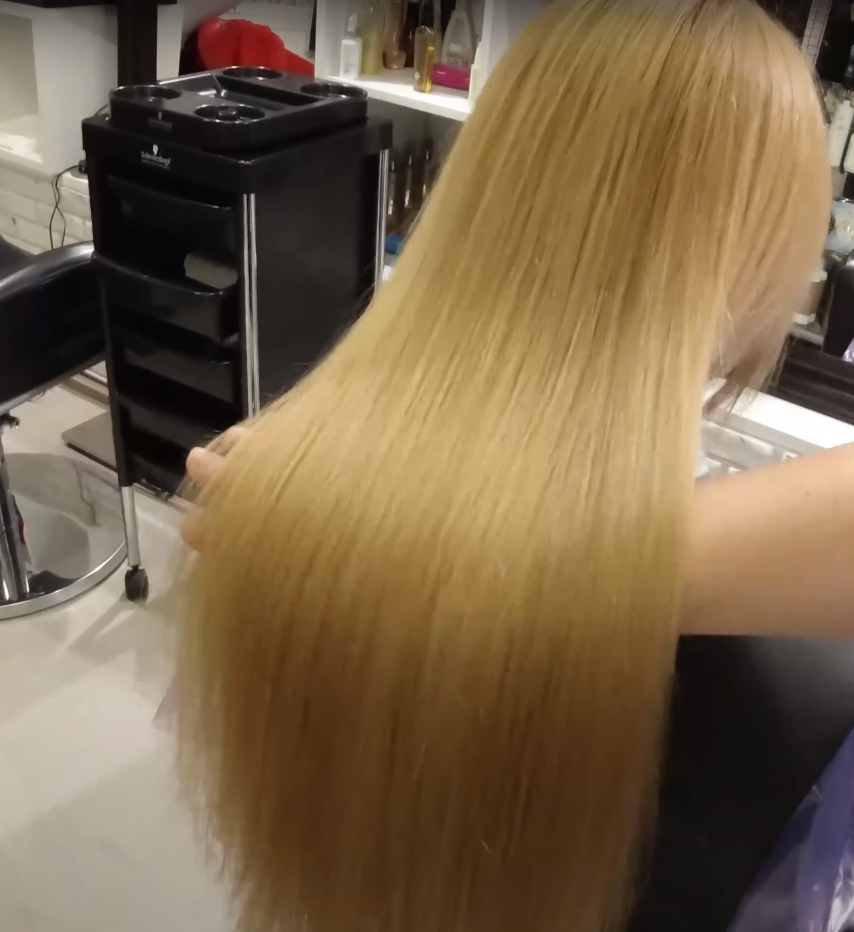
Okay, sugar, we’ve danced the DIY tango, but let’s get real for a sec. Sometimes you’ve got to call in the pros. Just like you wouldn’t let just anyone handle your designer bag, don’t gamble with your glorious locks when they need serious TLC. So, what are the heavy artillery options for fixing that uneven bleach job? Read on.
Salon Correction Services
Consider this the VIP lounge of hair correction. A seasoned stylist can evaluate your hair’s needs and come up with a tailor-made strategy that’s just for you. It could be a mix of toners, highlights, and even a trim to remove those super-damaged ends.
- Consultation: This is a two-way street. Discuss your hair history and end goals.
- Customized Treatment: A series of treatments may be necessary to achieve the desired result. Be patient; Rome wasn’t built in a day, and neither is perfect hair.
Pro Tip: Opt for salons that specialize in color correction. The stylist should be your hair’s soulmate, at least for the day.
Olaplex Treatment
Olaplex is not just a trendy term that stylists throw around; it’s the Beyoncé of hair treatments. Its unique formula can actually repair the disulfide bonds in your hair. In non-sciencey terms, it’s like relationship counseling for your hair strands, helping them bond even after the stress of bleaching.
- When to Use: This can be a standalone treatment or added into your bleach or color.
- Benefits: Strengthens hair, reduces breakage, and gives you brag-worthy shine.
Pro Tip: While Olaplex has at-home treatments, the salon versions are more potent. So, for significant damage, let the pros take the wheel.
Color Stripping
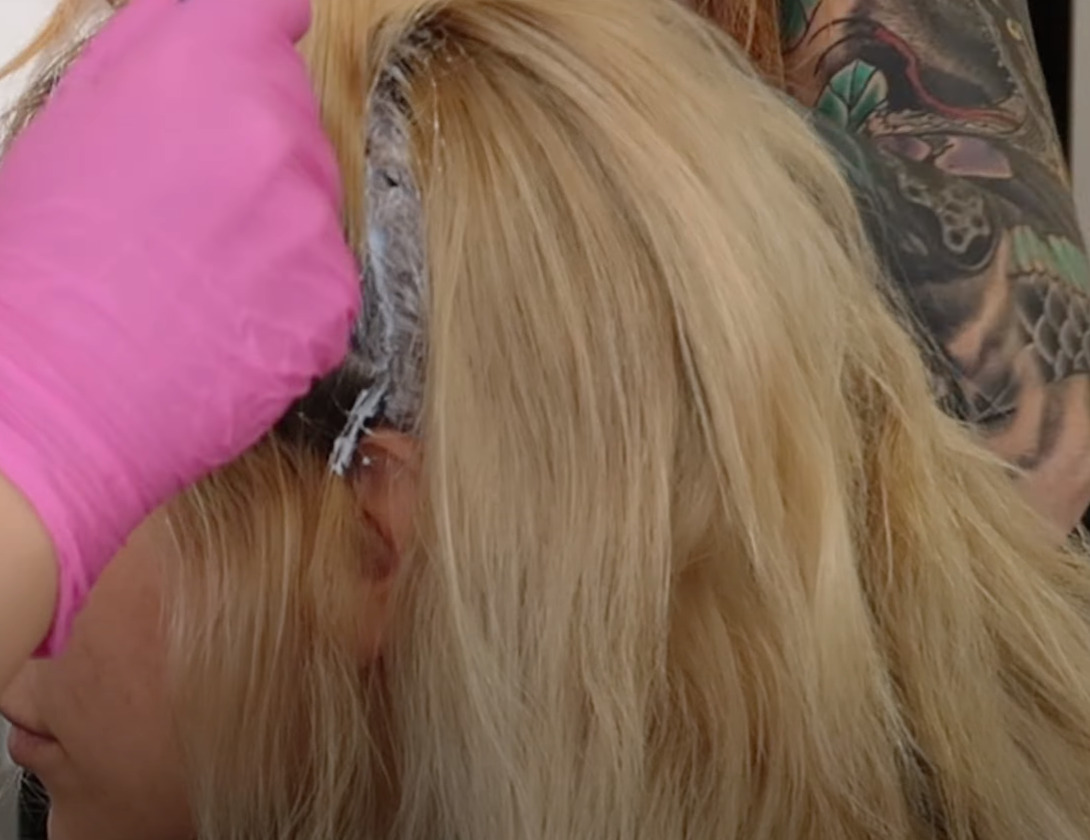
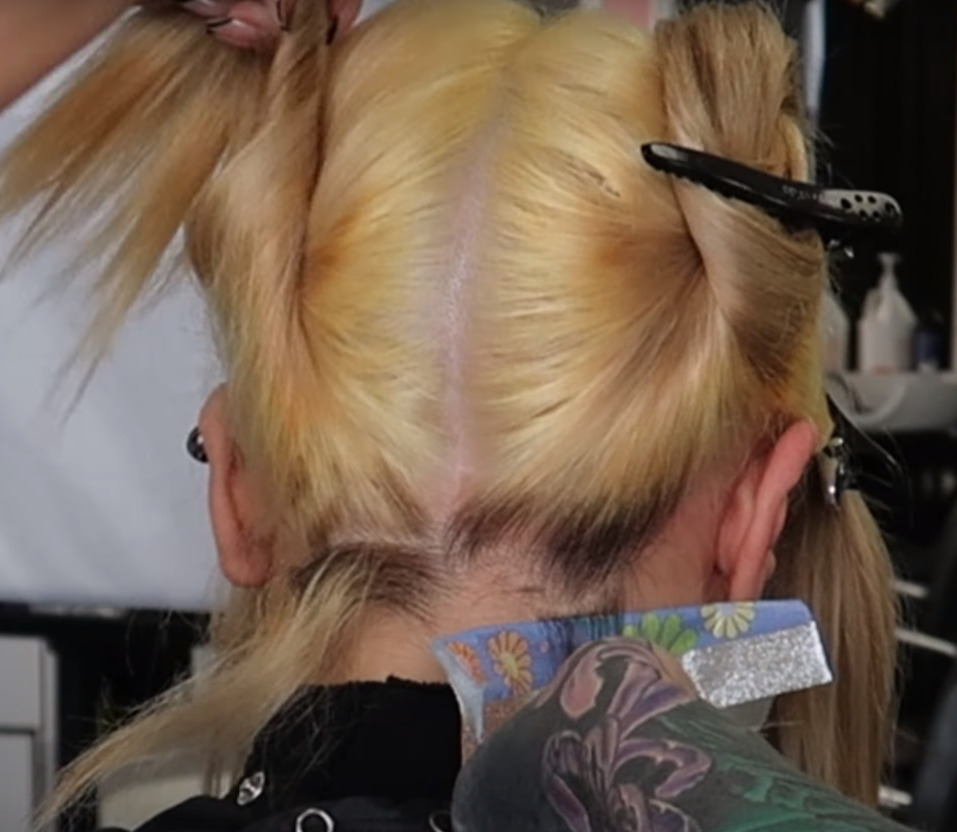
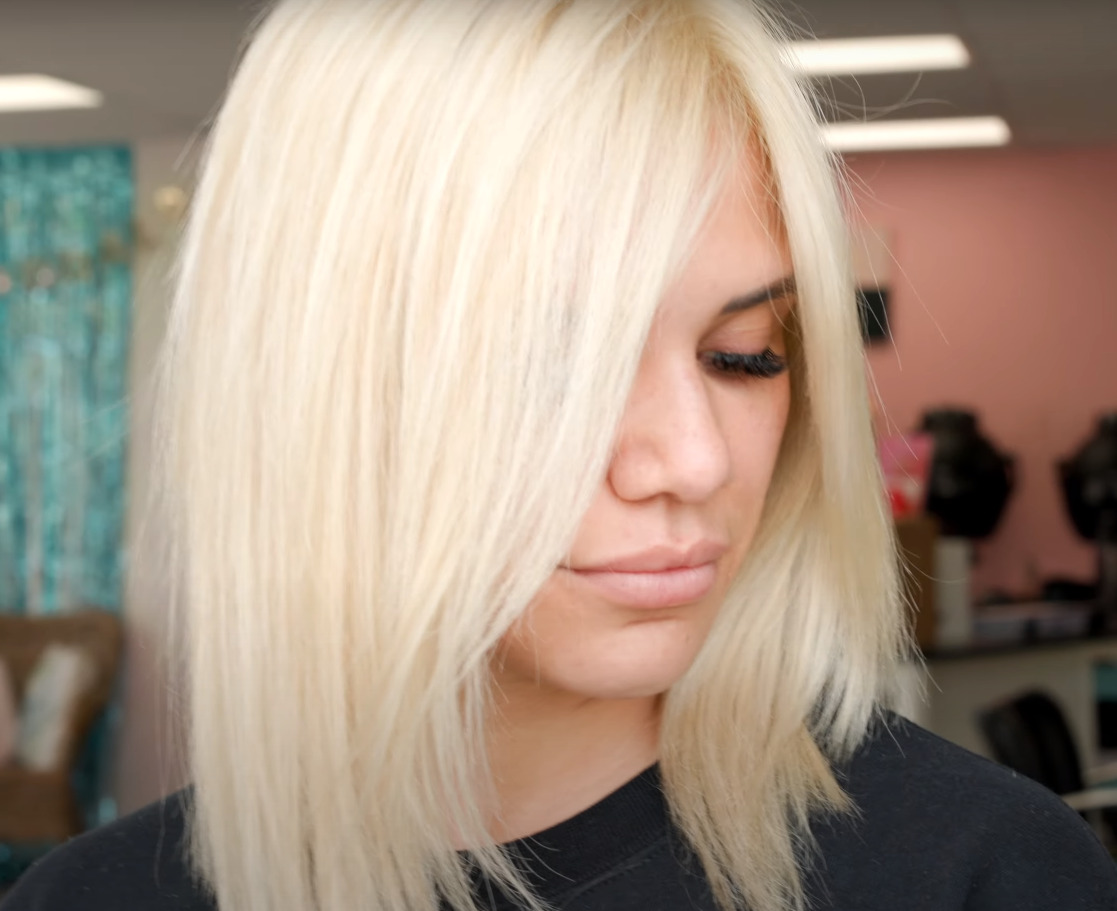
We’re not talking furniture, darling. In the hair world, color stripping removes the existing color from your hair and essentially gives you a blank canvas. This is usually the last resort for extreme cases where the color mishap is more of a catastrophe.
- What It Does: Removes almost all artificial and some natural color from your hair.
- Follow-Up: Often followed by re-coloring to achieve the desired shade.
Pro Tip: This process can be harsh, so make sure your hair is up for the challenge. You’ll also need to commit to some serious aftercare.
Comprehensive Q&A Block
It’s time for the real talk—Q&A style! We get it; your head is swirling with questions faster than a salon chair spin. Here, we tackle your burning questions head-on (literally and figuratively). 🎤
Can uneven bleached hair be fixed immediately?
Answer: Unfortunately, darling, there’s no magic wand for immediate fixes. It takes time for your hair to recover, and immediate re-bleaching can lead to hair damage or even breakage.
Is it safe to bleach hair again after uneven results?
Answer: It can be safe, but timing and hair health are key. Wait at least a week and preferably consult a professional. An Olaplex treatment could be your knight in shining armor in such cases.
What is hair porosity and why does it matter?
Answer: Hair porosity is your hair’s ability to absorb moisture. Think of it like your hair’s ‘thirst level.’ It’s crucial because uneven porosity can lead to uneven bleaching. Your hair has to be equally thirsty for that bleach, you see.
Can I fix uneven bleached hair without going to a salon?
Answer: Absolutely! From toners to color-correcting shampoos, there’s a smorgasbord of at-home options. But remember, some cases are above DIY paygrade. When in doubt, consult a pro.
What are the risks of color stripping?
Answer: Color stripping is the ‘nuclear option.’ It can be harsh and drying, stripping your hair of its natural oils. It’s also not a one-size-fits-all; results can be unpredictable.
How do toners work in fixing uneven hair color?
Answer: Toners are like your hair’s Photoshop—smoothing out the uneven spots and enhancing the good ones. They work by neutralizing unwanted tones and adding shine.
Do color-correcting shampoos really work?
Answer: Yes, but they’re more of a maintenance mode than a full-on fix. Think of them as the supporting cast, not the star of the show.
How can I maintain my hair after correcting uneven bleaching?
Answer: Hydration, hydration, hydration! Use deep conditioners, hair masks, and consider a leave-in conditioner. Keep heat styling to a minimum, and maybe send a ‘thank you’ card to your toner.
Are there any home remedies for fixing uneven bleached hair?
Answer: Some swear by vinegar rinses or using purple food coloring in a DIY conditioner, but the efficacy of home remedies isn’t guaranteed. If you’re feeling adventurous, make sure to test on a small section first.
What are the long-term effects of multiple bleaching attempts?
Answer: Let’s not mince words—repeated bleaching can lead to weakened, dry, and brittle hair. If your hair starts signing a “Do Not Resuscitate” order, it’s time to back off and seek professional help.

Armed with this knowledge, you’re ready to face (or should we say ‘mane’-age) any bleach misadventures. Onward, hair heroes! 🌟
Ready for the next section!