
Among nature’s most intriguing treasures, alexandrite stands out for its remarkable ability to shift colors under different lighting. This gemstone’s optical transformation — from deep green in natural daylight to a reddish-purple under warm indoor lighting — has inspired fascination for nearly two centuries. It’s no surprise that Bespoke Jewelry San Francisco creators often choose it for meaningful, high-end designs.
But alexandrite is more than a striking stone. It holds symbolic value, technical appeal for jewelers, and growing popularity among collectors and spiritually inclined buyers.
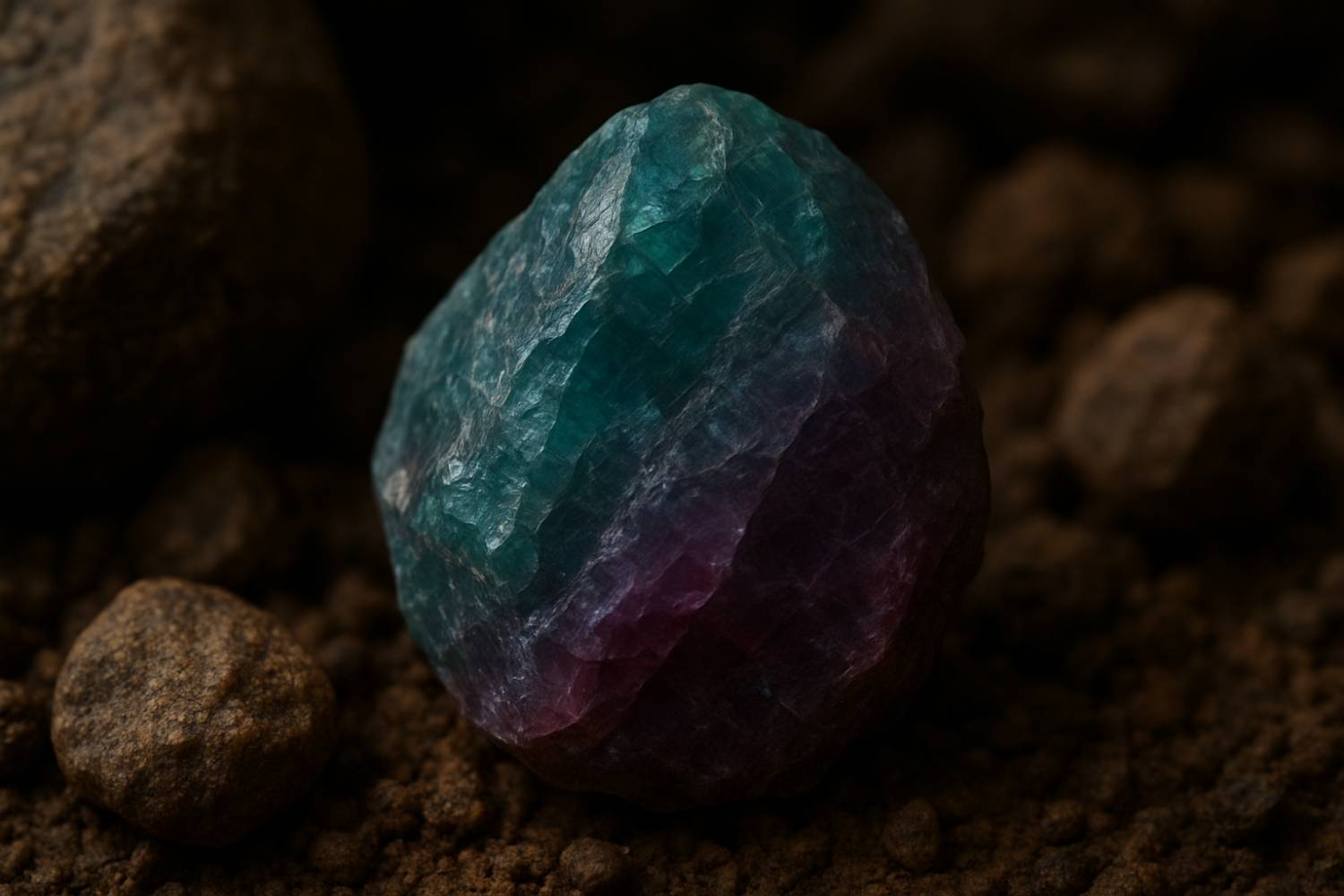
Defining Alexandrite: A Gem Like No Other
Alexandrite is a variety of chrysoberyl, notable for its durability and exceptional optical qualities. It exhibits a phenomenon called color change, which is different from mere color zoning or pleochroism. This dual-tone shift is extremely rare in the mineral world.
Key attributes of alexandrite include:
- High durability (8.5 on the Mohs scale).
- Initial discovery in Russia, with newer sources in Brazil, Tanzania, and Sri Lanka.
- Uncommon size availability, with high clarity gems above 1 carat being rare.
- Spiritual symbolism related to balance, adaptability, and self-discovery.
- Color transformation under varying light sources — green to red/purple.
Its scarcity and visual drama make it one of the most exclusive gemstones available today.
Where Alexandrite Is Most Often Used
Although alexandrite is sometimes associated with spiritual practices, its main applications are in fine and custom jewelry. Because of its rarity, it’s seldom used in mass production. Instead, it finds a home in one-of-a-kind creations, collector’s items, or symbolic designs.
Main areas of use include:
- Custom-made rings, earrings, and necklaces with emotional or commemorative value.
- Engagement rings for clients who prefer less conventional stones.
- Luxury accessories such as bespoke watches or symbolic pendants.
- Gifts for milestones like anniversaries or life transitions.
- Birthstone jewelry for June-born individuals.
- Collectible gemstones with investment appeal due to their scarcity.
For those who value uniqueness, alexandrite delivers both a story and substance.
How Jewelry Designers Work with Alexandrite
In the world of symbolic and artisan-crafted jewelry, alexandrite has become a go-to stone for emotionally expressive creations. Galina Kouliaeva, a respected designer of rings with alexandrite in Northern California, often guides clients through selecting this rare gem for deeply personal projects.
“The beauty of alexandrite goes far beyond color,” Galina explains. “It reflects transitions, making it ideal for clients marking new chapters in life.”
She notes that many of her clients choose alexandrite for its emotional symbolism: growth, healing, and inner strength. In her workshop, alexandrite is often paired with minimalist gold settings or vintage-style engravings — each piece customized for individual meaning.
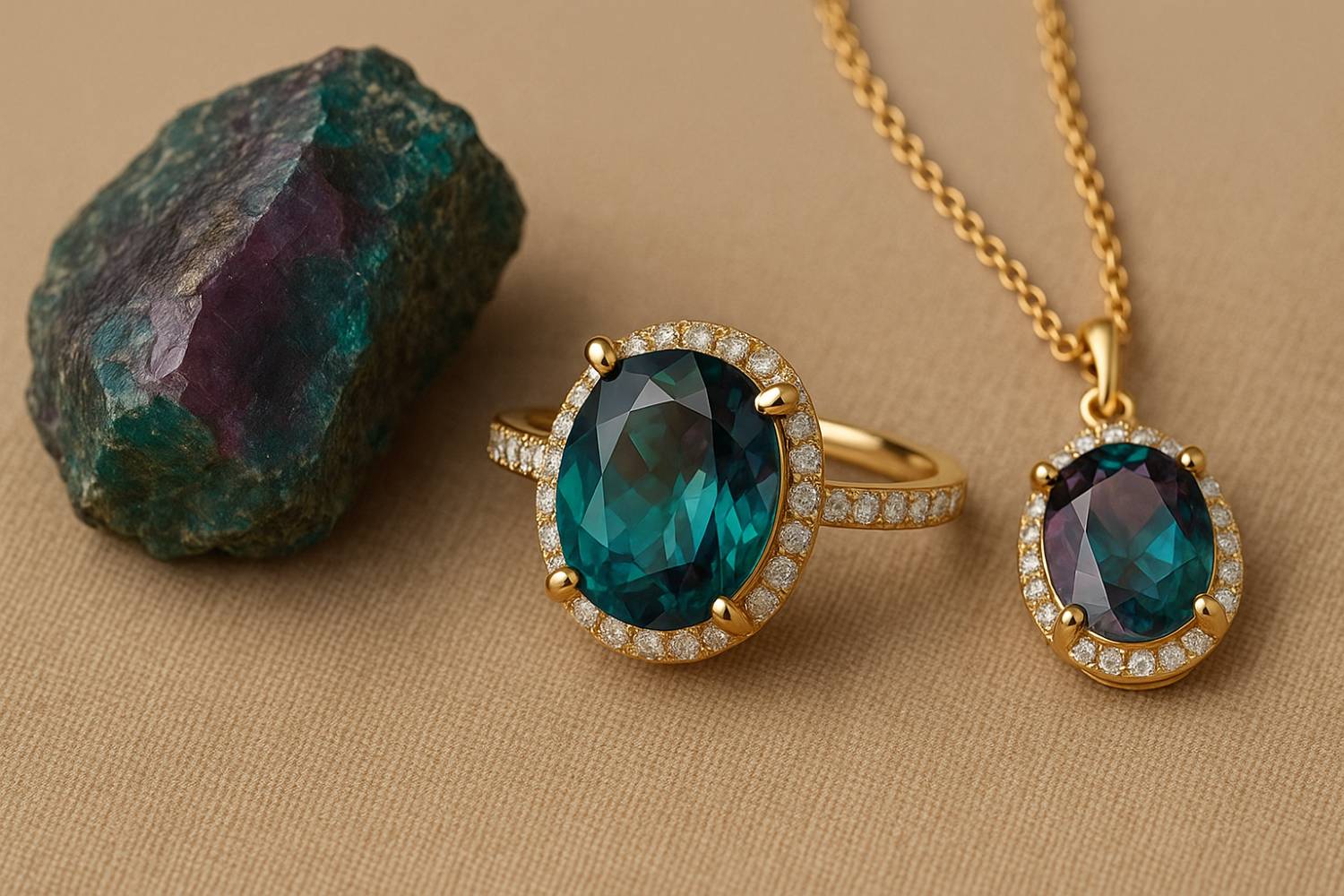
Why Alexandrite Is a Designer’s Favorite
For expert jewelers, alexandrite is both a challenge and a reward. Its optical qualities require careful cutting and thoughtful design, but the payoff is a piece that truly stands apart.
Reasons why jewelers value working with alexandrite:
- It adds depth and narrative to designs.
- It’s ideal for one-of-a-kind commissions.
- It blends naturally with vintage, modern, or symbolic styles.
- Its transformation creates surprise and emotional connection.
- It appeals to clients who appreciate intentional luxury.
That’s why Bay Area Custom made jewelry artists increasingly feature alexandrite in personalized engagement rings, anniversary gifts, and even spiritual amulets.
Final Thoughts
From its imperial Russian roots to its rising popularity among modern artisans, alexandrite has evolved into a gemstone of substance and soul. It offers not just color — but character. It’s rare, resilient, and radiant in a way few other stones can match.
For those seeking jewelry with meaning, memory, and movement, alexandrite remains an exceptional choice.